Skateboard Wheels: A Comprehensive Guide (Updated 04/06/2026)
Navigating the world of skateboard wheels can be complex‚ but understanding size‚ durometer‚ and compatibility is key. This guide provides essential information for optimal performance and enjoyment.
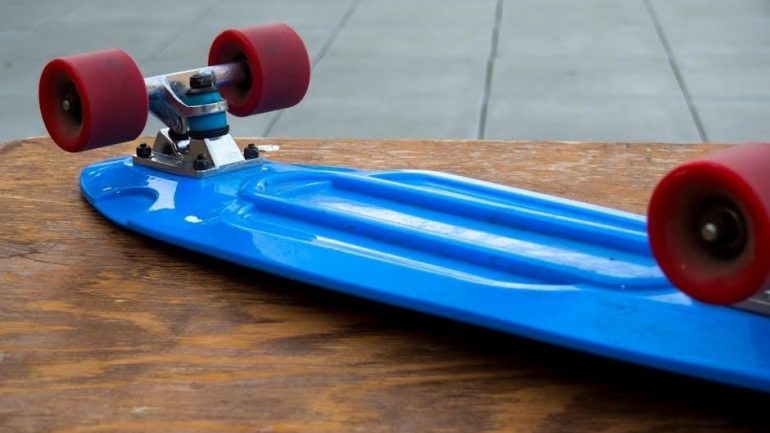
Skateboard wheels are arguably the most crucial component impacting ride quality and performance. They directly influence speed‚ grip‚ and the ability to navigate various terrains. Choosing the right wheels involves considering several factors‚ including wheel size (measured in millimeters)‚ durometer (hardness)‚ shape‚ and material. Beginners often overlook these details‚ opting for generic wheels‚ but selecting appropriate wheels dramatically enhances the skateboarding experience.
Understanding these elements allows skaters to tailor their setup to their specific riding style – whether it’s street skating‚ park riding‚ longboarding‚ or cruising. The correct wheel setup minimizes vibrations‚ maximizes control‚ and ultimately‚ unlocks a skater’s full potential. This guide aims to demystify the process‚ providing a comprehensive overview to help you make informed decisions.
Wheel Size and Riding Style
Wheel size significantly impacts a skateboard’s performance characteristics‚ directly correlating with riding style and terrain preference. Smaller wheels (52mm-54mm) are favored by street skaters due to their lighter weight‚ facilitating quicker flip tricks and responsiveness. Conversely‚ larger wheels (54mm+) excel on rougher surfaces and transitions‚ offering increased speed and smoother rides. Longboarders typically utilize wheels exceeding 54mm‚ sometimes reaching 60mm or more‚ for stability and efficient cruising.
Beginners generally benefit from a mid-range size (52mm-55mm)‚ providing a balance between maneuverability and stability while learning fundamental skills. It’s crucial to remember that wheel size isn’t a one-size-fits-all solution; personal preference and the specific demands of your skating environment play a vital role in optimal selection.
Wheel Size for Beginners (52mm ‒ 55mm)
For those new to skateboarding‚ a wheel size between 52mm and 55mm represents an excellent starting point. This range offers a versatile balance‚ making it easier to learn the basics without compromising stability or maneuverability. These wheels are common and readily available‚ providing affordability and accessibility for beginners exploring the sport.
Smaller wheels within this range (52-53mm) are slightly lighter‚ aiding in trick learning‚ while larger sizes (54-55mm) offer a smoother ride over minor imperfections in the pavement. This size range is forgiving‚ allowing new skaters to develop confidence and control before experimenting with more specialized wheel setups. It’s a practical choice for mastering fundamental skills and building a solid foundation.
Street Skating Wheel Sizes (52mm ‒ 54mm)
Street skaters typically favor wheel sizes ranging from 52mm to 54mm‚ prioritizing responsiveness and maneuverability for technical tricks. Lower millimeter wheels are lighter‚ facilitating quicker pop and easier flip tricks – crucial elements in street skating. These sizes allow for faster acceleration and tighter turns‚ essential for navigating urban obstacles.
While offering agility‚ these wheels can be more challenging to ride on rougher surfaces. The smaller diameter is less forgiving of cracks and pebbles‚ demanding greater balance and control. However‚ the trade-off is worth it for skaters focused on precise trick execution and navigating the unique demands of street environments. This size range is a staple for street skaters aiming for technical proficiency.
Longboard Wheel Sizes (54mm+)
Longboarders generally opt for wheel sizes starting around 54mm and extending upwards to 60mm or even larger‚ prioritizing speed‚ stability‚ and the ability to roll smoothly over varied terrain. Larger wheels maintain momentum more effectively‚ crucial for covering distances and tackling hills. They also handle cracks‚ pebbles‚ and rough pavement with greater ease‚ providing a more comfortable and controlled ride.
The increased surface area of larger longboard wheels enhances grip and stability at higher speeds. This is particularly important for downhill longboarding‚ where precision and control are paramount. While sacrificing some maneuverability compared to smaller wheels‚ the benefits of speed and smoothness outweigh the drawbacks for many longboard disciplines. Choosing the right size depends on the specific longboarding style and terrain.
Understanding Wheel Durometer (Hardness)
Wheel durometer‚ measured on the A scale‚ indicates hardness and impacts ride characteristics significantly. Lower numbers (78A-87A) denote softer wheels‚ ideal for rough surfaces‚ providing excellent grip and a smooth‚ comfortable ride. These absorb vibrations effectively‚ making them popular for cruisers and longboards. Higher numbers (97A-101A+) signify harder wheels‚ favored by street and park skaters.
Harder wheels slide more easily‚ crucial for performing tricks and maintaining speed on smooth surfaces. They offer less grip but excel in responsiveness. The “B” scale is used for even harder wheels‚ typically found in professional setups. Selecting the appropriate durometer depends on your skating style‚ terrain‚ and personal preference – a balance between grip‚ speed‚ and smoothness is key.
The Relationship Between Deck Size and Wheel Size
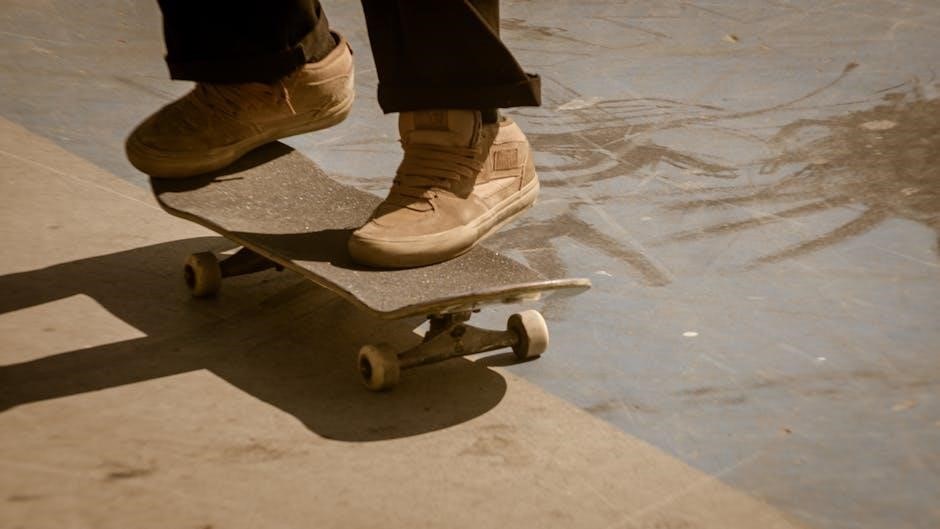
The size of your skateboard deck directly influences the optimal wheel size for stability and control. Smaller decks (under 8.0″) generally pair well with wheels in the 52mm-54mm range‚ offering quicker response and easier maneuverability for street skating and technical tricks. Larger decks (8.0″ and above) can comfortably accommodate larger wheels‚ typically 54mm+‚ providing increased speed and stability‚ especially when transitioning or riding rougher terrain.
However‚ this isn’t a rigid rule; personal preference and riding style matter. Wider decks benefit from larger wheels to prevent wheel bite and maintain a smooth ride. Consider your height and weight too – heavier skaters may prefer larger‚ harder wheels for better support and roll speed.
Smaller Decks & Wheel Compatibility
For skateboard decks under 8.0 inches wide‚ wheel selection focuses on maintaining agility and responsiveness. Wheels in the 52mm to 54mm diameter range are generally ideal‚ providing a balance between speed and maneuverability. These sizes are particularly well-suited for street skating‚ technical tricks‚ and navigating tight spaces. Smaller wheels offer quicker acceleration and are lighter‚ making flip tricks easier to execute.
However‚ consider the terrain. If you frequently encounter rough surfaces‚ slightly larger (54mm) and softer wheels can provide a smoother ride. Always check for potential wheel bite‚ especially with larger wheels on smaller decks‚ and consider using risers if necessary to ensure clearance.
Larger Decks & Wheel Compatibility
Skateboard decks 8.0 inches and wider benefit from larger wheel sizes‚ enhancing stability and speed‚ particularly when cruising or tackling transitions. Wheel diameters ranging from 54mm to 60mm+ are commonly used‚ offering improved roll-over capabilities on uneven surfaces and increased momentum. Larger wheels maintain speed more effectively and provide a smoother ride‚ making them suitable for longboarding‚ downhill skating‚ and park skating.
However‚ larger wheels can slightly reduce maneuverability. Ensure sufficient clearance between the wheels and the deck to prevent wheel bite‚ potentially requiring the use of risers. Consider your weight and riding style when choosing a wheel size; heavier riders may prefer larger‚ harder wheels for stability.
Height and Weight Considerations for Wheel Selection
Your physical attributes significantly influence the ideal skateboard wheel choice. Heavier skaters generally require wheels with a higher durometer (hardness) to prevent deformation and maintain responsiveness. Softer wheels may compress too easily under increased weight‚ leading to a sluggish feel and reduced control. Conversely‚ lighter skaters can often utilize softer wheels for enhanced grip and shock absorption‚ especially on rough terrain.
Taller skaters might also benefit from slightly larger wheel diameters to compensate for a higher center of gravity‚ improving stability. Consider your overall build and riding style – aggressive skaters may prefer harder‚ smaller wheels for precise control‚ while cruisers might opt for softer‚ larger wheels for a smoother ride.
Skateboard Risers and Hardware Size
Skateboard risers are crucial for preventing wheel bite – the undesirable contact between the wheel and the deck during turns. They add clearance‚ allowing for sharper carves without interruption. However‚ using risers necessitates adjusting your hardware (mounting bolts) length to ensure a secure and flush fit.
An easy rule of thumb is to add 1/8 inch to your riser size to determine the correct hardware size‚ especially on thicker boards. For example‚ with a 1/8″ riser‚ use 7/8″ hardware. Some math skills are required for precise calculations! Always double-check compatibility to avoid stripping threads or compromising the board’s integrity. Proper hardware length is vital for safety and optimal performance.
Calculating Hardware Size with Risers
Determining the correct hardware length when using risers requires a bit of calculation‚ but it’s essential for a secure skateboard setup. Standard skateboard hardware is typically 7/8″ or 1″ long‚ suitable for boards without risers. Adding risers increases the total thickness requiring longer bolts.
To calculate‚ start with the riser’s thickness. A 1/8″ riser necessitates adding approximately 1/8″ to the standard hardware length. Therefore‚ you’d need 1″ hardware (7/8″ + 1/8″). For a 1/4″ riser‚ use 1 1/8″ hardware‚ and so on. Always err on the side of slightly longer hardware; a small amount of excess thread is preferable to bolts that are too short and don’t fully engage the nuts.
Wheel Bite: What it is and How to Prevent It
Wheel bite occurs when the wheel makes contact with the deck during a turn‚ abruptly stopping the board and potentially causing a fall. This happens when the wheel’s radius is insufficient to clear the deck‚ especially during sharp carves. It’s a common issue‚ particularly with larger wheels and tighter trucks.
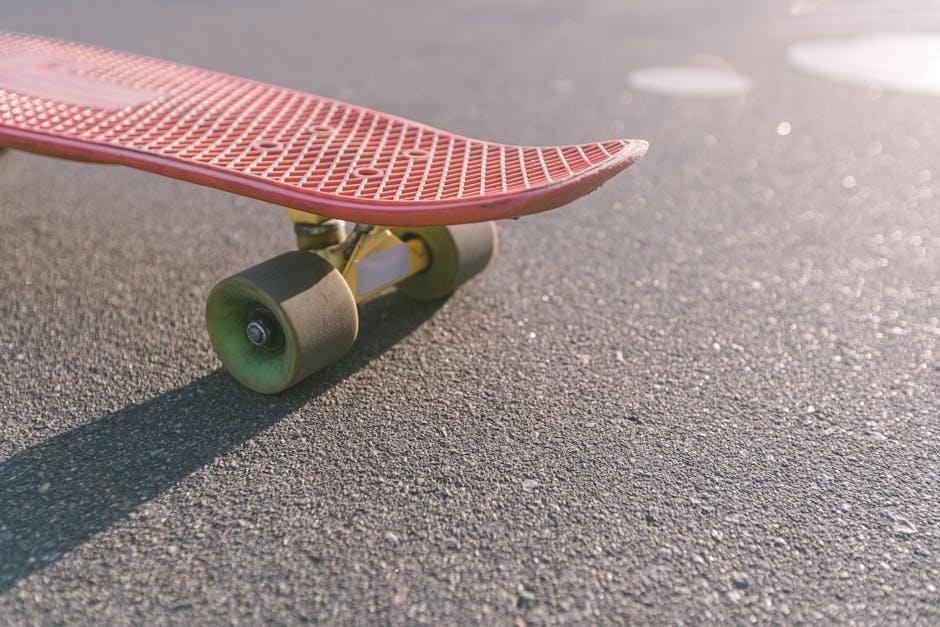
Preventing wheel bite involves several strategies. Using risers increases the distance between the wheels and the deck‚ providing necessary clearance. Loosening the trucks allows for greater turning radius‚ reducing the likelihood of contact. Choosing wheels with a smaller diameter‚ or a more rounded lip profile‚ can also help. Regularly inspect your setup and adjust as needed to maintain a safe and enjoyable ride.
Popular Wheel Brands and Models

The skateboard wheel market boasts numerous reputable brands‚ each offering unique characteristics and performance benefits. Bones Wheels consistently ranks among the most popular‚ renowned for their durability and diverse range of options. The Bones XF X99 Omega‚ a 60mm 99a wheel‚ exemplifies their commitment to quality‚ providing a balance of speed and grip.
Other notable brands include Spitfire‚ known for their Formula Four wheels‚ and Ricta‚ offering a variety of durometers and shapes. Choosing the right brand often depends on individual preferences and riding style. Exploring different models within these brands allows skaters to fine-tune their setup for optimal performance‚ whether prioritizing street skating‚ park riding‚ or cruising.

Bones Wheels Examples (e.g.‚ Bones XF X99 Omega)
Bones Wheels offers a diverse lineup catering to various skating styles‚ with the XF X99 Omega standing out as a premium choice. This 60mm‚ 99a wheel is engineered for maximum speed and resilience‚ utilizing a high-rebound formula. It’s favored by professionals for its ability to maintain momentum and withstand demanding terrain.
Beyond the XF X99 Omega‚ Bones STF (Street Tech Formula) wheels provide exceptional grip and slide characteristics‚ ideal for technical street skating. Their V series offers a balance between speed and control. Bones also produces softer wheels for cruisers and longboards‚ demonstrating their commitment to serving the entire skateboarding community with innovative and high-performing products.

Wheel Materials and Construction
Skateboard wheels are predominantly made from polyurethane‚ but the specific formula significantly impacts performance. Higher-quality polyurethane offers superior rebound‚ durability‚ and resistance to flatspotting – a common issue where wheels develop uneven wear. Cheaper wheels often utilize harder‚ less resilient formulas.
The construction involves molding the polyurethane around a core‚ typically made of nylon or plastic. The core’s design influences weight distribution and bearing seating. Some wheels feature reinforced cores for increased strength. Manufacturing processes‚ like direct-cast versus cold-cast‚ also affect the final product’s quality and consistency. Understanding these material and construction nuances helps skaters choose wheels suited to their needs.
Wheel Shape and its Impact on Performance
The shape of a skateboard wheel isn’t merely aesthetic; it profoundly affects how the wheel interacts with surfaces and impacts riding characteristics. Wheels generally fall into rounded or conical profiles. Rounded wheels offer more contact area‚ providing stability and grip‚ making them ideal for cruising and rough terrain.
Conical wheels‚ conversely‚ have a narrower contact patch‚ enhancing maneuverability and responsiveness – favored by street skaters for tricks. The edges of the wheel‚ whether squared or rounded‚ also play a role. Squared edges provide more grip for sliding‚ while rounded edges offer smoother transitions. Choosing the right shape depends on your skating style and the terrain you frequent.

Core Types and Their Benefits
Skateboard wheel cores are the central component‚ influencing weight distribution‚ durability‚ and bearing compatibility; Traditionally‚ cores were made of plastic‚ offering affordability but lacking strength. Modern wheels predominantly feature aluminum cores‚ known for their lightweight nature and enhanced durability‚ improving overall performance.
Aluminum cores come in various designs‚ including hollow and solid variations. Hollow cores further reduce weight‚ ideal for technical street skating‚ while solid cores provide increased strength for aggressive riding. Some high-end wheels utilize composite cores‚ blending materials for a balance of weight‚ strength‚ and responsiveness. The core’s design directly impacts the wheel’s ability to withstand impact and maintain speed.
Bearing Compatibility and Wheel Cores
The relationship between wheel cores and bearings is crucial for a smooth‚ efficient ride. Standard skateboard bearings (typically 608 size) are designed to fit snugly within the wheel core. However‚ core design variations can affect bearing fit and performance.
Wheels with precisely machined cores ensure a secure bearing seat‚ minimizing wobble and maximizing speed. A tight fit is essential‚ but overly tight fits can damage bearings during installation or removal. Most modern aluminum cores are engineered for optimal 608 bearing compatibility. It’s important to inspect the core for any imperfections before bearing installation. Proper bearing seating contributes significantly to a responsive and enjoyable skateboarding experience‚ reducing friction and enhancing control.
Wheel Wear and Maintenance
Skateboard wheels‚ despite being durable‚ are subject to wear and tear with consistent use. Regular inspection is vital to ensure optimal performance and safety. Flatspots‚ caused by hard braking or riding on abrasive surfaces‚ are a common issue‚ diminishing ride smoothness.
Rotating wheels periodically can help distribute wear evenly and delay flatspot formation. Cleaning wheels of dirt and debris extends their lifespan. While some wear is inevitable‚ recognizing signs of excessive wear – significant flatspots‚ chipping‚ or core damage – indicates it’s time for replacement. Proper maintenance‚ including occasional cleaning and rotation‚ maximizes wheel longevity and maintains a consistent skateboarding experience. Ignoring wear can compromise control and potentially lead to falls.
Choosing Wheels for Different Terrain
Selecting the right skateboard wheels hinges on the surfaces you frequent. Smooth surfaces‚ like skateparks or polished concrete‚ favor harder wheels (higher durometer) for speed and responsiveness. These wheels slide easily and maintain momentum efficiently. Conversely‚ rougher terrains – cracked pavements‚ asphalt‚ or gravel – demand softer wheels (lower durometer).
Softer wheels absorb vibrations‚ providing a smoother‚ more controlled ride and better grip. Larger diameter wheels also navigate rough surfaces more effectively. Consider a versatile durometer if you skate varied terrain. Ultimately‚ matching wheel characteristics to the terrain enhances performance‚ comfort‚ and overall skateboarding enjoyment. Prioritizing grip on rough surfaces and speed on smooth surfaces is key.
Smooth Surfaces vs. Rough Surfaces
The distinction between smooth and rough surfaces dramatically impacts wheel performance. On smooth skatepark concrete or polished street spots‚ harder wheels (99A durometer or higher) excel. Their rigidity minimizes rolling resistance‚ maximizing speed and enabling precise slides. These wheels offer minimal grip‚ ideal for technical tricks and controlled maneuvers.
However‚ rough asphalt‚ cracked sidewalks‚ or uneven terrain necessitate softer wheels (78A-90A). These wheels absorb vibrations‚ providing a more comfortable ride and maintaining better traction. Softer wheels “grip” the surface‚ preventing unwanted vibrations and offering increased control. Larger wheel diameters further enhance ride quality on rough surfaces‚ rolling over obstacles more easily. Choosing the correct durometer is crucial for a positive skateboarding experience.
Advanced Wheel Features (e.g.‚ Flatspot Resistance)

Modern skateboard wheel technology extends beyond size and durometer‚ incorporating features designed to enhance performance and longevity. A significant concern for many skaters is flatspotting – the development of uneven wear patterns that cause vibrations and reduce smoothness. Wheels with flatspot resistance utilize specialized urethane formulas and core designs to mitigate this issue.

Some wheels feature shaped lips or core constructions that distribute impact forces more evenly. Others employ advanced urethane blends that are less susceptible to deformation. Beyond flatspotting‚ features like enhanced grip patterns and optimized weight distribution contribute to improved control and trick execution. These advancements cater to diverse skating styles and terrain‚ offering skaters a refined and more enjoyable experience.
Where to Buy Skateboard Wheels
Skateboard wheels are readily available through a variety of retail channels‚ catering to different preferences and budgets. Local skate shops remain a cornerstone for many skaters‚ offering expert advice‚ personalized service‚ and a curated selection of brands and models. These shops often support the local skateboarding community and provide a valuable resource for beginners and experienced riders alike.
Online retailers‚ such as Tactics‚ Skate Warehouse‚ and Zumiez‚ provide a broader range of options and competitive pricing. Amazon also carries a substantial selection‚ but verifying seller authenticity is crucial. Direct purchases from wheel manufacturers like Bones Wheels or Spitfire are also possible. Comparing prices and considering shipping costs is recommended when choosing a retailer.

Budget vs. Premium Wheel Options
The price of skateboard wheels can vary significantly‚ reflecting differences in materials‚ construction‚ and brand reputation. Budget-friendly options‚ typically ranging from $20 to $40 per set‚ often utilize less expensive urethane formulas and simpler core designs. These wheels are suitable for beginners or casual skaters who prioritize affordability over peak performance.
Premium wheels‚ costing $50 or more per set‚ employ high-quality urethane‚ advanced core technologies (like Bones’ Street Tech)‚ and rigorous quality control. This translates to enhanced durability‚ faster speeds‚ improved grip‚ and greater flatspot resistance. While the initial investment is higher‚ premium wheels often offer a longer lifespan and a superior skating experience‚ justifying the cost for dedicated skaters.
Selecting the ideal skateboard wheels is a personalized process‚ dependent on your riding style‚ skill level‚ and preferences. Consider your primary skating environment – smooth parks versus rough streets – and choose a wheel size and durometer accordingly. Beginners often benefit from the stability of larger‚ softer wheels (52mm-55mm‚ 99a durometer)‚ while experienced street skaters may prefer smaller‚ harder wheels (52mm-54mm‚ 101a durometer) for flip tricks.
Don’t hesitate to experiment with different brands and models to discover what feels best. Remember to factor in your deck size and weight‚ and always prioritize quality components for a safer and more enjoyable ride. Ultimately‚ the “right” wheels are those that empower you to progress and express your unique skating style.