OFY units, explored since 1997 by authors like BR Cheffins (cited 473 times), cultivate crucial historical thinking skills, mirroring market demands and innovative neurotechnologies․
Defining OFY Unit Activity
OFY Unit Activity represents a focused pedagogical approach, initially documented in research from 1997 by B․R․ Cheffins, and continually refined since․ These units aren’t merely historical content delivery; they are meticulously designed experiences intended to foster specific, demonstrable historical thinking skills․

Drawing parallels to the specialized skillsets commanding high value – like those of elite athletes – OFY units emphasize abilities applicable beyond rote memorization․ They aim to equip students with analytical tools, mirroring the innovative spirit of fields like neurotechnology, as highlighted in recent research․ The activity, as observed in Tera-I cells, demands active engagement and critical assessment, much like navigating complex economic landscapes․
The Importance of Historical Thinking Skills
Historical thinking skills are paramount, mirroring the value placed on specialized expertise – exemplified by a professional footballer’s high wage due to rare abilities․ As Cheffins’ work (1997, cited 473 times) suggests, these skills aren’t innate but cultivated through dedicated practice, much like innovation in neurotechnology․
Beyond academic success, these skills foster critical analysis applicable to diverse fields․ Understanding context, corroborating evidence, and constructing arguments are vital for navigating a complex world․ Just as analyzing primary sources builds historical narratives, these skills empower informed decision-making, echoing the need for adaptability and insight in today’s rapidly evolving landscape․

Core Historical Thinking Skills Addressed in OFY Units
OFY units, building on research from 1997 (Cheffins, 473 citations), emphasize sourcing, corroboration, close reading, and argumentation – skills vital for analysis․
Sourcing and Contextualization
Sourcing within OFY units demands students critically examine the origins of historical materials, mirroring the nuanced skillsets valued in professional fields – much like a footballer’s unique abilities․ This involves questioning authorship, purpose, and potential biases, drawing parallels to understanding market demands for specialized skills, as highlighted by Cheffins (1997)․
Contextualization requires placing sources within their specific historical moments, acknowledging the influence of contemporary societal norms and technological advancements, such as the neurotechnologies driving modern innovation․ Students analyze how events unfolded, considering factors like the Chechen Conflict (referenced in 2015 sources) and the broader economic landscape․ This process, akin to understanding the conditions enabling elite performance, fosters a deeper comprehension of historical narratives․
Corroboration and Multiple Perspectives
Corroboration in OFY units emphasizes verifying historical claims through diverse sources, a skill mirroring the rigorous analysis required in fields demanding precision, like neurotechnology research (Domansky et al․, 2000; Lavie et al․)․ Students compare accounts, identifying agreements and discrepancies, much like assessing market value based on multiple indicators, as Cheffins (1997) suggests․
Exploring multiple perspectives is crucial, acknowledging that history isn’t a singular narrative․ Examining the Chechen Conflict through various viewpoints, for example, reveals the complexity of historical events․ This fosters critical thinking, challenging students to move beyond simplistic interpretations and appreciate the nuances inherent in understanding the past – a skill vital for navigating a complex world․
Close Reading of Primary Sources
Close reading within OFY units demands students meticulously analyze primary sources – texts, images, artifacts – for inherent biases and contextual clues․ This mirrors the detailed analysis required in neurotechnology, where precise data interpretation (Lavie et al․, 2000) is paramount․ Like assessing a professional footballer’s skills (Cheffins, 1997), students dissect source elements․
Students learn to identify authorial intent, understand the historical context, and evaluate the source’s reliability․ Examining sources related to the Chechen Conflict (Historical Dictionary, 2015) necessitates discerning perspectives and recognizing potential propaganda․ This skill builds analytical rigor, essential for informed historical interpretation and critical engagement with information․
Historical Argumentation
Historical argumentation in OFY units challenges students to move beyond simple recall, constructing evidence-based interpretations․ Similar to justifying a footballer’s high wage based on unique skills (Cheffins, 1997), students must support claims with sourced evidence․ This process demands critical evaluation of primary sources, considering context and potential biases – mirroring neurotechnology’s rigorous data analysis (Lavie et al․, 2000)․
Students learn to formulate theses, select relevant evidence, and address counterarguments․ Analyzing the Chechen Conflict (Historical Dictionary, 2015) requires nuanced arguments acknowledging multiple perspectives․ The goal is not simply what happened, but why and with what consequences, fostering analytical and persuasive communication skills․

OFY Unit Activities: A Detailed Breakdown
OFY unit activities, like those testing enhancer activity (Domansky et al․, 2000), employ diverse formats and assessments, aligning with curriculum standards and skill development․
Activity Types & Formats
OFY unit activities encompass a spectrum of engaging formats designed to foster deep historical understanding․ These range from document-based questions (DBQs) requiring close primary source analysis, to collaborative research projects mirroring professional skill demands – much like an elite footballer’s specialized training․
Activities also include simulated historical debates, encouraging argumentation and perspective-taking, and the creation of historical narratives based on evidence, similar to constructing a case study․ The formats, as explored in resources like the Historical Dictionary of the Chechen Conflict (2015), are adaptable, mirroring the innovative applications of neurotechnologies in applied economics, and often involve utilizing electronic resources for research and presentation․
Assessment Methods within OFY Units
Assessment within OFY units moves beyond rote memorization, mirroring the evaluation of specialized skills – akin to assessing an elite athlete’s performance․ Methods include evaluating students’ ability to source and contextualize historical evidence, demonstrating skills highlighted since 1997 by researchers like BR Cheffins․
Rubrics assess corroboration skills, the strength of historical arguments, and the effective use of primary sources in constructing narratives․ Performance tasks, like debates or research presentations, are common, reflecting the applied nature of neurotechnological innovation․ Assessments also consider engagement with electronic resources and the ability to synthesize information, aligning with modern research practices and the demands of a dynamic job market․
Alignment with Curriculum Standards
OFY unit activities are intentionally designed to align with national and state curriculum standards, ensuring comprehensive historical understanding․ This alignment, much like the specialized training of a professional footballer, focuses on developing specific, marketable skills․ The units address standards related to historical analysis, primary source interpretation, and argumentation, echoing research from 1997 by BR Cheffins․
Furthermore, OFY units integrate with broader educational goals, including critical thinking and civic engagement․ They often incorporate resources like the Historical Dictionary of the Chechen Conflict (2015) and online platforms, reflecting the evolving landscape of historical scholarship and neurotechnological advancements in education․
The Role of Primary Sources in OFY Units
OFY units, like research by Lavie et al (2000), heavily utilize primary sources to construct historical narratives, fostering analytical skills and deeper understanding․
Locating Relevant Primary Sources
Finding appropriate primary sources for OFY units requires strategic exploration, mirroring the research approaches detailed in publications like the Historical Dictionary of the Chechen Conflict (2015)․ Educators must move beyond readily available materials, actively seeking diverse perspectives․ Resources like “Everything Explained Today” (an electronic resource) can offer starting points, but critical evaluation is paramount․
Successful sourcing involves utilizing digital archives, library databases, and specialized collections․ Considering the context – as highlighted in neurotechnology research cited (Domansky et al․, 2000) – is vital․ The goal isn’t simply to find sources, but to locate those that best illuminate the historical question and support robust student analysis, aligning with the skills emphasized by Cheffins’ work (1997)․
Analyzing Primary Source Evidence
Effective analysis of primary sources, central to OFY units, demands skills beyond simple comprehension․ Students must critically assess source origin, purpose, and potential bias – echoing the rigorous standards applied in fields like neurotechnology research (Lavie et al․, 2000)․ This mirrors the market demand for analytical skills noted by Cheffins (1997)․
Techniques include close reading, contextualization, and corroboration with other evidence․ Examining language, identifying underlying assumptions, and recognizing perspectives are crucial․ Just as researchers dissect enhancer activity (Domansky et al․, 2000), students should deconstruct historical narratives․ The Historical Dictionary of the Chechen Conflict (2015) exemplifies the need for nuanced interpretation․
Using Primary Sources to Construct Historical Narratives
OFY units emphasize constructing historical narratives from primary source evidence, not simply about them․ This process, akin to building innovative applications in neurotechnology (as discussed in contemporary research), requires synthesizing information and formulating reasoned interpretations․ Cheffins’ (1997) work highlights the value of specialized skills․
Students learn to move beyond surface-level understanding, identifying patterns, contradictions, and gaps in the historical record․ They must consider multiple perspectives, acknowledging the inherent subjectivity of historical accounts – a principle reflected in analyses like the Historical Dictionary of the Chechen Conflict (2015)․ This builds argumentation skills, vital in any field․
Challenges in Implementing OFY Unit Activities
Implementing OFY units faces hurdles like student engagement, teacher training, and resource availability, mirroring challenges in applying neurotechnologies and specialized skillsets․
Student Engagement & Motivation
Maintaining student engagement within OFY units presents a significant challenge, akin to capturing interest in specialized skills like those of an elite athlete – requiring intrinsic value․ Just as a clerk’s role differs vastly, diverse learning styles demand varied approaches to historical inquiry․

Motivating students necessitates connecting historical concepts to contemporary relevance, fostering a sense of ownership over their learning․ The application of neurotechnologies, as highlighted in recent research, suggests innovative methods for stimulating cognitive processes․ Successfully bridging the gap between rigorous historical analysis and student enthusiasm is paramount for effective OFY unit implementation, mirroring the demand for marketable skills․
Teacher Training & Resource Availability
Effective implementation of OFY units hinges on robust teacher training, comparable to the specialized expertise required for high-demand professions․ Similar to the skills gap noted by Cheffins (1997), a lack of adequately prepared educators can hinder the development of historical thinking skills․
Access to relevant primary sources – like those detailed in the Historical Dictionary of the Chechen Conflict (2015) – and supporting materials is crucial․ Furthermore, understanding emerging fields like neurotechnologies, as explored in recent research, can inform pedagogical approaches․ Sufficient resources and ongoing professional development are essential for teachers to confidently navigate these complex units․
Addressing Diverse Learning Needs
OFY unit activities must acknowledge the varied skill levels present in classrooms, mirroring the diverse capabilities observed across professions – from elite athletes to retail clerks, as Cheffins (1997) illustrates․ Adaptations are vital to ensure all students can engage with primary source analysis and historical argumentation․
Strategies should include differentiated instruction, scaffolding, and alternative assessment methods․ Recognizing that learning isn’t uniform, educators must cater to students with differing learning styles and backgrounds․ Just as neurotechnologies offer innovative solutions, flexible approaches are needed to unlock each student’s potential for historical thinking․

Connecting OFY Units to Broader Historical Concepts
OFY units, like explorations in neurotechnology, link specific events to overarching themes of change, continuity, cause, effect, and historical significance, as studied since 1997․
Themes of Change and Continuity
OFY units actively engage students with the dynamic interplay between change and continuity throughout history․ Examining instances, much like the evolving landscape of neurotechnologies detailed since 1997 by researchers like BR Cheffins (referenced 473 times), allows for a nuanced understanding․ Students analyze how certain aspects of society remain stable while others undergo transformation․
This exploration isn’t merely chronological; it delves into why things change or persist․ For example, analyzing the Chechen conflict (as documented in the 2015 Historical Dictionary) reveals both enduring cultural elements and significant shifts in political power․ Activities encourage students to identify patterns, assess the long-term consequences of events, and recognize the interconnectedness of past and present․
Understanding Cause and Effect
OFY units prioritize developing students’ ability to discern cause-and-effect relationships within historical contexts․ This skill, vital as highlighted in research dating back to 1997 (BR Cheffins, cited 473 times), moves beyond simple identification of events to a complex analysis of contributing factors․ Students learn to differentiate between immediate triggers and underlying causes, recognizing that historical outcomes rarely stem from a single source․
Consider the rise of neurotechnologies – a consequence of sustained scientific inquiry and economic investment․ Similarly, understanding the Chechen conflict (documented in 2015) requires examining political, ethnic, and socio-economic factors․ Activities challenge students to construct reasoned arguments supporting their interpretations of causal connections, fostering critical thinking․
Analyzing Historical Significance
OFY units actively cultivate students’ capacity to evaluate historical significance – a core skill emphasized since 1997 (BR Cheffins’ work, cited 473 times)․ This isn’t merely identifying ‘important’ events, but rather assessing their lasting impact and relevance across different perspectives and time periods․ Students grapple with questions of who decides what matters, and why․
For example, analyzing the significance of neurotechnologies requires considering their ethical implications and potential societal transformations․ Similarly, understanding the Chechen conflict (as detailed in a 2015 historical dictionary) demands evaluating its regional and global consequences․ Activities encourage students to justify their assessments, demonstrating nuanced historical judgment․
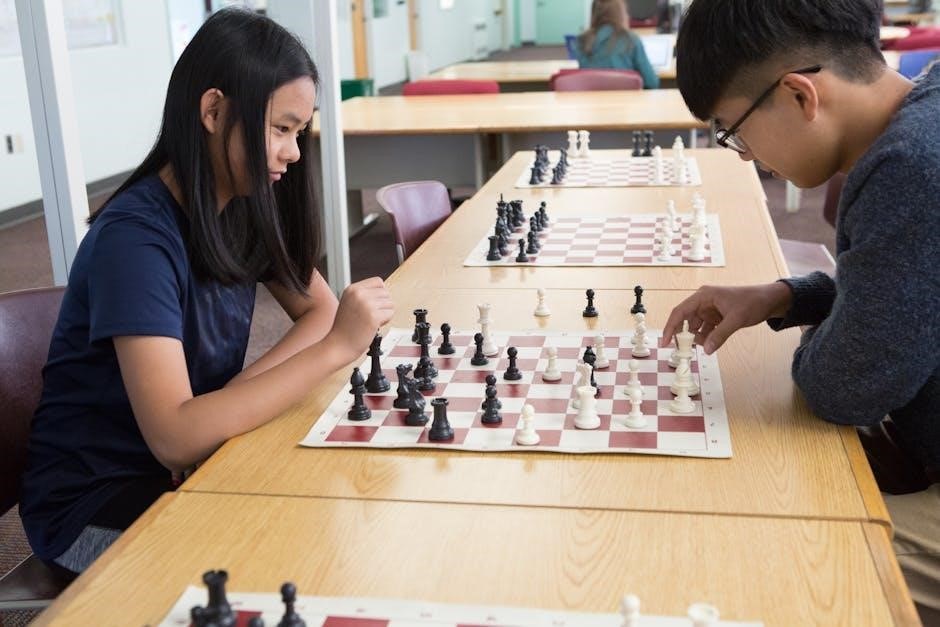
The Future of OFY Unit Activity and Historical Thinking
OFY units will likely integrate technology and adapt to evolving scholarship, fostering civic engagement – building upon foundations established since 1997 (Cheffins)․
Integration of Technology
Technological integration within OFY units promises to revolutionize historical learning, moving beyond traditional methods․ Digital archives, offering access to primary sources like those referenced in the 2015 Historical Dictionary of the Chechen Conflict, become readily available․ Interactive simulations can recreate historical scenarios, enhancing student engagement and understanding․
Furthermore, data analysis tools can assist in examining patterns and trends within historical datasets․ Online collaboration platforms facilitate peer learning and discussion, mirroring the collaborative nature of modern research․ The advancements in neurotechnologies, noted as sources of innovation, suggest potential for personalized learning experiences tailored to individual student needs․ This evolution builds upon the groundwork laid by scholars like BR Cheffins, whose work from 1997 continues to inform pedagogical approaches․
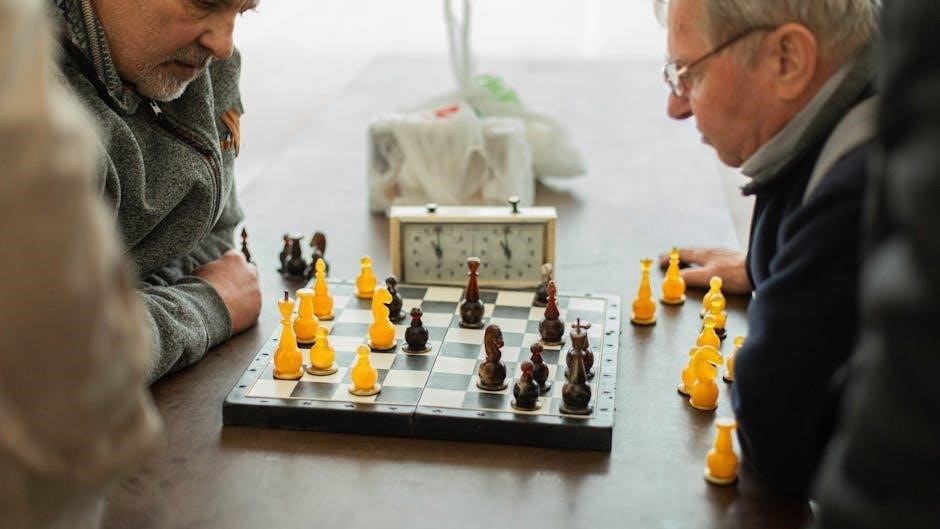
Adapting to Evolving Historical Scholarship
OFY unit activities must dynamically adapt to the ever-changing landscape of historical scholarship․ New interpretations, like those emerging from recent conflict studies (e․g․, the 2015 Historical Dictionary of the Chechen Conflict), necessitate curriculum updates․ Incorporating diverse perspectives and challenging established narratives is crucial․
Acknowledging the influence of interdisciplinary fields, including neurotechnologies identified as innovation sources, broadens historical understanding․ Continuous professional development for teachers ensures they remain current with research․ The work of scholars like BR Cheffins (1997, cited 473 times) provides a foundational framework, but must be supplemented with contemporary scholarship․ This iterative process fosters critical thinking and intellectual honesty within the classroom․
Promoting Civic Engagement through History Education
OFY unit activities, grounded in historical thinking skills, are vital for fostering informed and engaged citizens․ Understanding the complexities of past events – such as conflicts detailed in resources like the Historical Dictionary of the Chechen Conflict (2015) – equips students to analyze contemporary issues․
By examining cause and effect, and recognizing diverse perspectives, students develop critical reasoning abilities․ This aligns with the broader societal need for skilled individuals, as highlighted by Cheffins’ work (1997, cited 473 times) on skills and market demands․ Furthermore, exploring innovative fields like neurotechnologies encourages forward-thinking civic participation and responsible technological integration․